
-800x800.jpg?w=800&h=800&q=80)
-800x800.jpg?w=800&h=800&q=80)
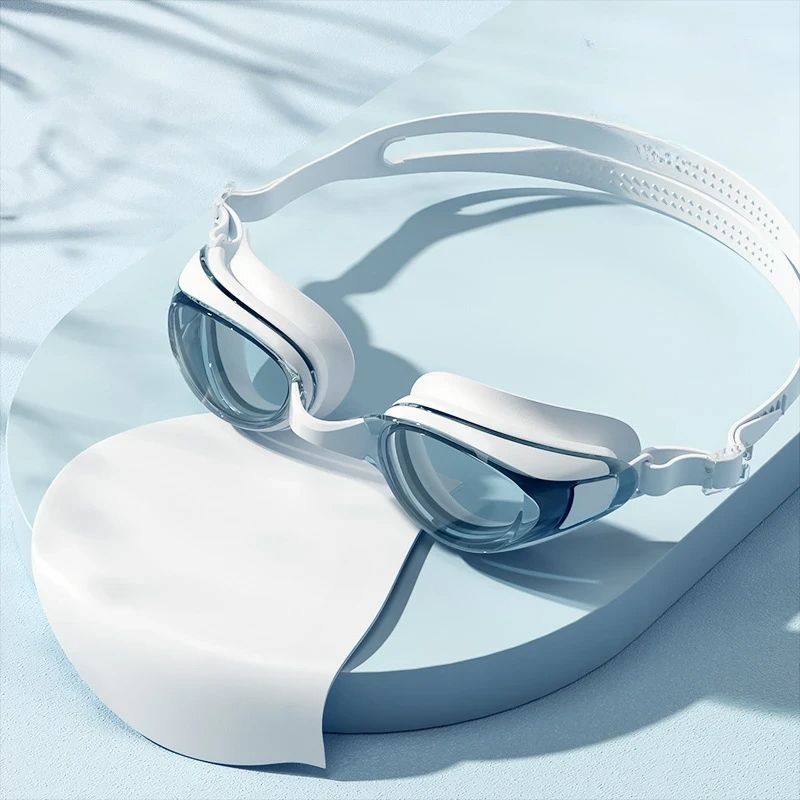
Ori-Prescription swim goggles


.png?w=359&h=359)
Elevate your swim with effortless style and visual comfort. These modern, prescription swim goggles are designed for a universal fit, offering comfort and clarity for all. Ideal for nearsighted individuals, they combine premium-quality, durable materials with a sleek, minimalist look. Enjoy the Tailored balance of exceptional value and performance with anti-fog, UV protection, and a secure seal. Just straightforward, quality eyewear that lets you focus on your swim. Your essential, go-to gear for the pool or beach.
See well-defined, Swim Smart.
Frame material: PC, silicone
Weight: 50g
Detail:
High-definition wide-angle lenses, clear wide field of view, enjoy the underwater world to the fullest.
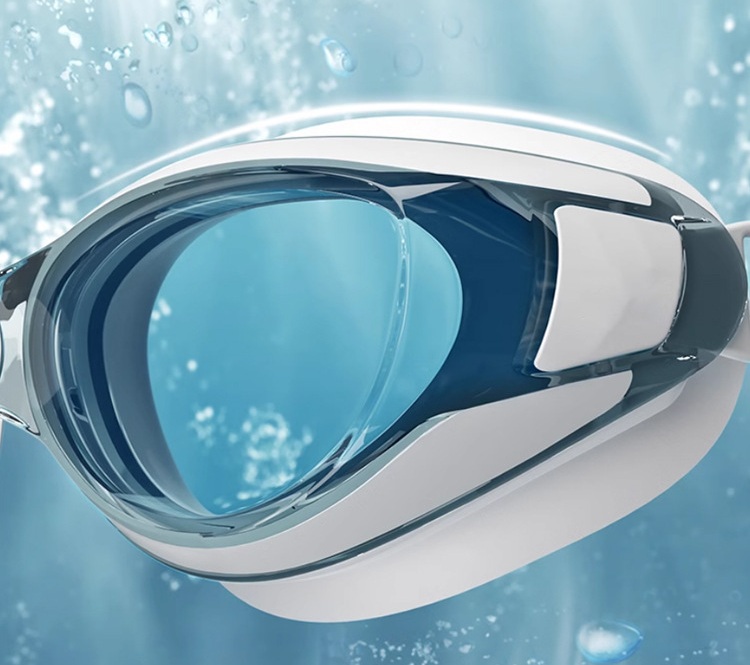
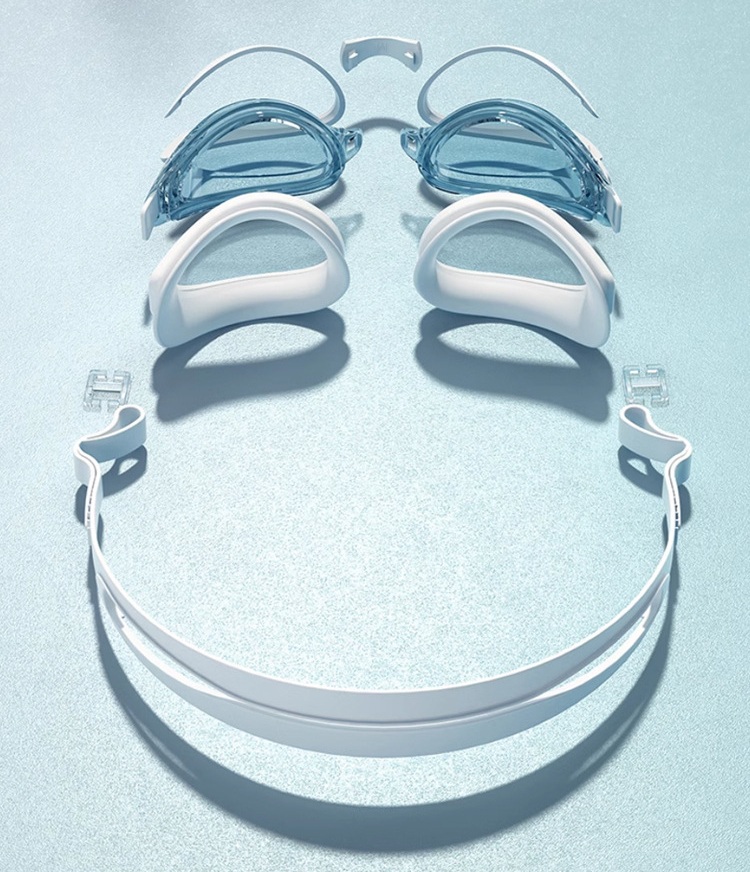
Premium silicone, soft and snug fit.

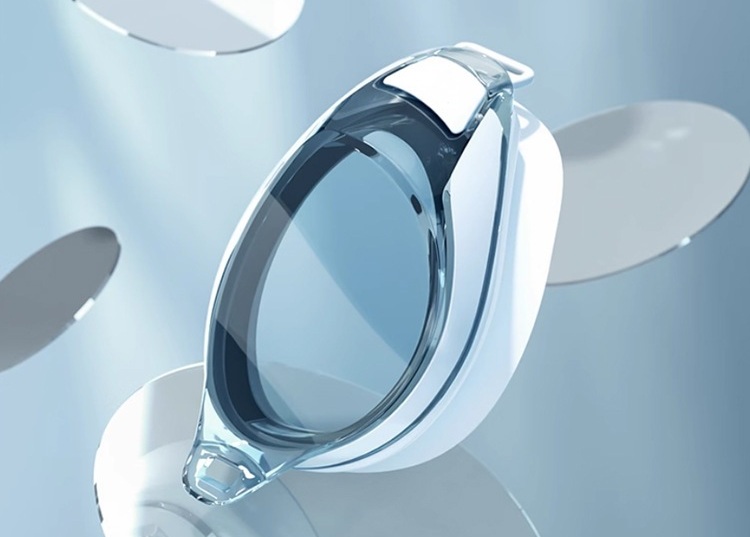
High-definition optical myopia lenses, enjoy clear vision to the fullest.
3 nose bridge sizes, fitting various face shapes.
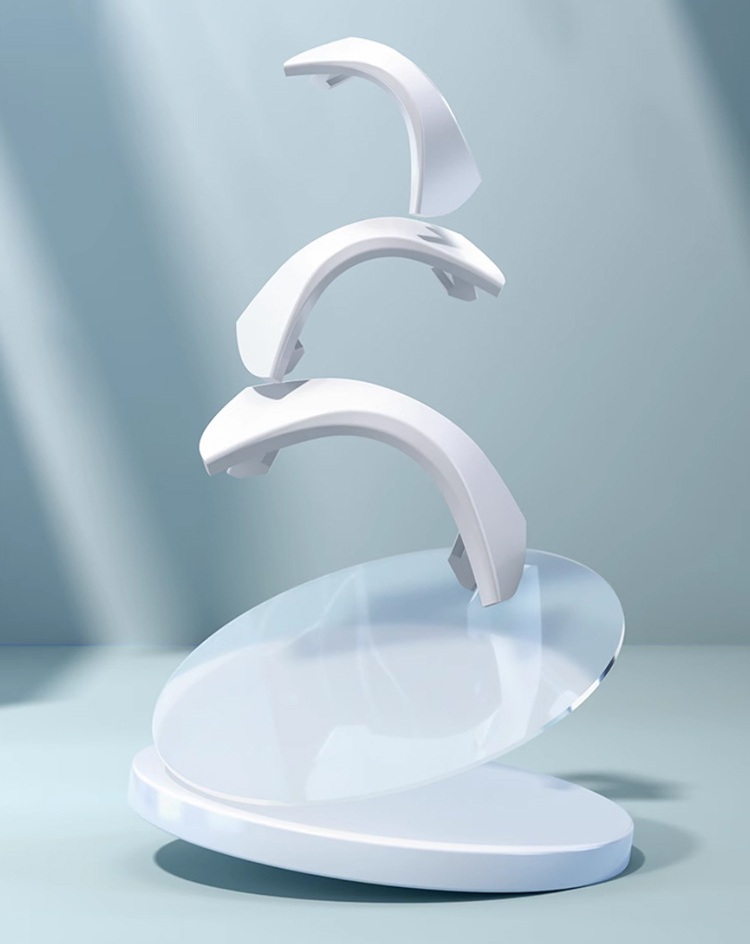
Detailed display, controlling every aspect of quality.
How to find PD?
Lens index guide
Lens Index measures how efficiently light bends through the prescription lens. The higher a lens' index is, the thinner it becomes.
Quick Reference Chart
| Index | SPH Range | Thickness | Weight | Price |
| 1.56 | 0~±2.00 | Thickest | Heaviest | $ |
| 1.61 | 0~±4.00 | Moderate | Moderate | $$ |
| 1.67 | ±2.00~±6.00 | Thin | Light | $$$ |
| 1.74 | ±4.00+ | Thinnest | Lightest | $$$$ |
1.56 Index (Standard)
- Best for: Low prescriptions | SPH Range: 0~±2.00.
- Pros: Affordable, widely available.
- Cons: Thicker edges for stronger prescriptions; not recommended for sports sunglasses. It's the heaviest, not recommended for those who require comfort.
1.61 Index (Mid-Range)
- Best for: Mild to moderate prescriptions | SPH Range: 0~±4.00.
- Pros: Around 20-30% thinner than 1.56, good clarity. It's slightly lighter.
- Cons: Slightly more expensive.
1.67 Index (Thin & Light)
- Best for: Moderate to high prescriptions | SPH Range: ±2.00~±6.00.
- Pros: Around 40% thinner than 1.56, lightweight.
- Cons: Higher cost.
1.74 Index (Thinner)
- Best for: High prescriptions | SPH Range: ±4.00 and above.
- Pros: Thinnest option (around 50% thinner than 1.56). In terms of weight, it is the lightest and most comfortable.
- Cons: Most expensive.
Additional Tips
- Frame Size Matters: Larger frames make lenses appear thicker - opt for higher index(1.67/1.74) if needed.
- Ask Your Optician: For astigmatism (CYL) or bifocals, they may recommend adjustments.
Shipping fee & Time & Duty
Delivery Time =Lens lead time + Shipping time
Shipping Fee (Specifically refers to US Dollar):
|
Shipping Method |
Shipping Time |
Cost |
|
Standard shipping |
10-15 business days |
$3.9 (Free on orders over $69) |
|
Advanced shipping |
6-10 business days |
$8.9 (Free on orders over $129) |
|
Fast shipping |
3-6 business days |
$36.9 |
Standard Shipping & Advanced Shipping include all taxes, no extra payment is required from customers.
Fast Shipping does not include taxes. For details, please contact our customer service email for a more comprehensive response.
Note:
A complete reference for the shipping policy page is as follows:
Shipping Policy
Anti-Fog coating important notice
I. Daily Basic Maintenance
1. Routine Cleaning
- Use a soft microfiber cloth. Wipe dry directly or rinse the cloth with clean water, squeeze it dry, and wipe the lens in one direction (to avoid scratches from back-and-forth rubbing). Focus on cleaning the inner side (where the anti-fog coating is primarily located, as it easily accumulates oil/residue from breath).
- For minor fingerprints or oil stains: Add 1-2 drops of neutral dish soap (fragrance-free, no abrasive particles) to clean water. Dip the soft cloth in the solution, wipe gently, then rinse thoroughly with clean water. Air-dry naturally or wipe with a dry cloth. Do not apply dish soap directly to the lens.
2. Storage
- Store the lens in a case only after it is completely dry. Avoid storing a wet lens (moisture can breed mold, corrode the coating, and cause fogging/stain buildup inside the case).
- Keep the lens away from hard objects such as case edges, keys, or coins.
- Store in a dry, well-ventilated area at room temperature. Keep away from high heat (e.g., car dashboards, radiators, direct sunlight), humidity (e.g., bathrooms, near sinks), and chemicals (e.g., perfume, hairspray, disinfectants).
II. Key Precautions
Absolutely Prohibited Actions (Irreversible Coating Damage – Accounts for Over 90% of Failures)
- Wiping the lens with regular tissues, towels, wet wipes, or fingers (tissues contain wood fibers, towels have coarse lint, and fingers have oil – all can scratch/clog the anti-fog coating’s micropores, leading directly to anti-fog failure).
- Using chemical agents such as alcohol, disinfectants, glass cleaner, abrasive cleaners, or makeup remover (contains alcohols, ammonia, or abrasive particles that corrode/dissolve the anti-fog coating; damaged coating cannot be repaired).
- Exposing the lens to high temperatures (e.g., soaking in boiling water, blowing with a hair dryer, direct sunlight, or proximity to open flames – high heat causes the coating to oxidize and peel).
- Scrubbing or polishing the lens vigorously (especially the inner side, where the thin anti-fog coating can be easily worn off by mechanical friction).
- Attaching adhesive items (e.g., stickers, tape) to the lens (peeling them off may strip the coating).
III. Scenario-Specific Maintenance
- Skiing Scenarios: After snowfall, immediately wipe off snow from the outer lens with a dry cloth. Avoid getting snowmelt or sweat on the inner side. Before storage, rinse the outer lens with clean water (do not rinse the inner side), air-dry, and place in a waterproof case to prevent melted snow from seeping into the inner side and corroding the coating.
- Daily Commute/Myopia Glasses: Avoid contact with cosmetics or hand cream. Focus on cleaning the lens area near the nose pads (prone to skin oil buildup) when wiping. Regularly clean the frame with a cotton swab dipped in clean water to prevent rust from transferring to the lens.
- Goggles/Industrial Safety Glasses: Avoid contact with dust or chemical fumes. After use, rinse dust from the outer lens with clean water and gently wipe the inner side with a dry cloth. Do not use a high-pressure water gun.
IV. Practical Anti-Fog Tips
- Adjust Breathing Habits: Breathe in through your nose as much as possible. When exhaling through your mouth, direct the airflow downward/outward to avoid hot air rushing directly onto the inner lens. You can also bite the goggle strap to change breathing direction and reduce moisture contact with the lens.
- Proper Equipment Fit: Adjust the lower edge of the ski mask to below your mouth and nose, allowing exhaled hot air to escape directly outside the mask and preventing it from entering the goggles. Do not cover your nose completely with the face guard, as this can cause hot air to seep in from the sides.
- Leave Ventilation Gaps: Maintain a small gap between the goggles and helmet while wearing to allow natural air circulation, dissipate heat, and reduce moisture buildup. Choose face guards and goggles with ventilation holes for better airflow.
- Basic Protection: Wipe off sweat from your forehead and face before exercising. Avoid getting skincare products or hairspray on the inner lens, as oil can clog the coating’s micropores and reduce anti-fog effectiveness.
V. Anti-Fog Coating Performance Notes - Important - Must Read
- The anti-fog coating on this product’s lens adopts industry-standard hydrophilic nanotechnology. It reduces the surface tension of water vapor, allowing it to spread evenly into a transparent water film, thereby effectively reducing fogging and improving visibility. However, due to the technical characteristics of anti-fog coatings, no anti-fog coating on the market can 100% eliminate fogging in all scenarios.
- Fogging is not a sign of coating failure; it is primarily related to usage environment and personal habits: Sudden changes in temperature/humidity and extreme temperature fluctuations in high-humidity environments accelerate water molecule condensation on the lens. Additionally, breathing patterns and lens cleaning/maintenance habits directly affect anti-fog performance – this is a common characteristic across the industry.
- If you opt for a custom anti-fog coating, please be fully aware of the above details to avoid any unnecessary misunderstandings.
- Based on our customer feedback and over 500 tests carried out at various ski resorts, proper skiing techniques – such as breathing methods and breathing rhythm – are far more effective at preventing fogging than anti-fog coatings themselves. Many experienced skiers find their lenses never fog up at all, even without a custom anti-fog coating applied.
help@apexspecs.com
or
leave a message
-800x800_1445x.jpg?w=800&h=800&q=80)
-800x800_1445x.jpg?w=800&h=800&q=80)
-800x800_1800x.jpg?w=800&h=800&q=80)
-800x800_1800x.jpg?w=800&h=800&q=80)