-2457x1301.jpg?w=2457&h=1301)
The thrill and speed of skiing are irresistible, but for people with high myopia (over 600 degrees), the question "Can I ski with high myopia?" always lingers as a critical concern. The answer is not a simple yes or no—it depends on your type of myopia, eye health, and whether you choose the right vision solution. Today, we’ll provide a comprehensive safety guide for high myopia skiers from both medical and practical perspectives.
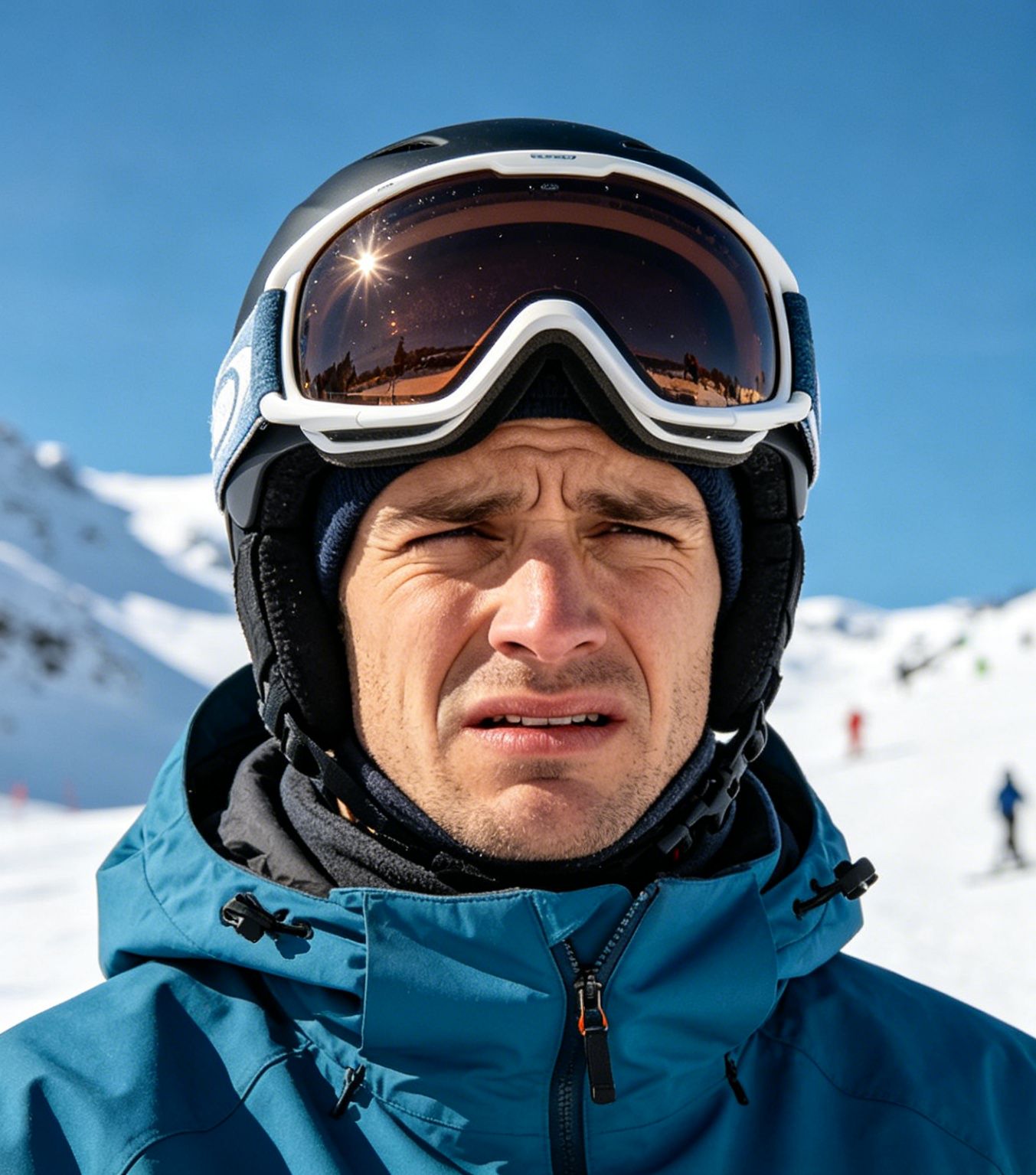
Axial vs. Curvature Myopia: Drastically Different Risks
Many people don’t realize that two people with the same high myopia prescription can face vastly different sports risks. There are two main types of myopia, and **axial high myopia** is the one you need to be most cautious about when skiing.
Axial myopia is caused by an elongated eyeball. For every 1mm increase in axial length, myopia increases by approximately 300 degrees. As the eyeball stretches, your retina becomes thinner and more fragile, like the wall of an overinflated balloon. For people with axial myopia over 600 degrees, doctors typically advise against intense sports, eye impacts, heavy lifting, and even blood donation. Any sudden impact or blood pressure spike can trigger a retinal tear or even detachment. Once retinal detachment occurs, it requires emergency surgery and carries a high risk of recurrence, placing a heavy physical and emotional burden on both the patient and their family.
Curvature myopia, on the other hand, is much safer. This type of myopia is caused solely by an overly curved cornea, with a normal eyeball length and an unstretched retina. Therefore, people with curvature high myopia face roughly the same skiing risks as people with normal vision, provided their eyes are otherwise healthy.
Important Note: Regardless of your myopia type, always visit a professional ophthalmologist or optometry center before skiing for a comprehensive exam of your axial length, corneal curvature, and retinal health. Only hit the slopes after your doctor confirms your eyes are fit for physical activity.
Three Traditional Vision Solutions for Skiing: Each Has Critical Flaws
Once you’ve confirmed you can ski safely, the next challenge is solving your vision problem. The three most common options—contact lenses, regular glasses under goggles, and traditional ski goggle inserts—all have significant drawbacks:
Contact lenses seem convenient but come with hidden dangers. Daily disposable lenses are expensive for regular use, and putting them in or taking them out in cold, dry ski resorts is messy and prone to dust contamination. Wind, low temperatures, and UV rays worsen dry eye, leading to blurry vision. Most dangerously, if a contact lens dislodges during high-speed skiing, it’s impossible to find in the snow—sudden blindness on the slopes can lead to catastrophic accidents.
Wearing regular glasses under ski goggles is the cheapest option but also the most dangerous. Top-brand ski goggles pass rigorous impact tests, but regular glasses have no safety certification. If you fall or collide, they can shatter easily, and fragments may cause permanent eye damage. Regular glasses frames also become brittle in cold temperatures, increasing the risk of breakage. Worse, they create uncomfortable pressure from your glasses, goggles, and helmet, causing severe pain in your temples and nose after hours of wear. They also completely waste the wide-field design of modern ski goggles—you’ll lose almost all peripheral vision when skiing backward, and edge distortion will severely impair your judgment on the slopes.
Traditional ski goggle inserts are a widely misunderstood solution. Most inserts on the market use decades-old outdated designs that don’t match the optical curves or internal space of modern wide-field spherical and cylindrical ski goggles. This leads to poor fit and terrible stability—they can shift or even fall out during high-speed skiing or falls, failing to provide reliable vision. This is exactly why so many people have the impression that "ski goggle inserts don’t work."
The Ultimate Solution for High Myopia Skiers: ApexSpecs Ski Goggles Insert Pro
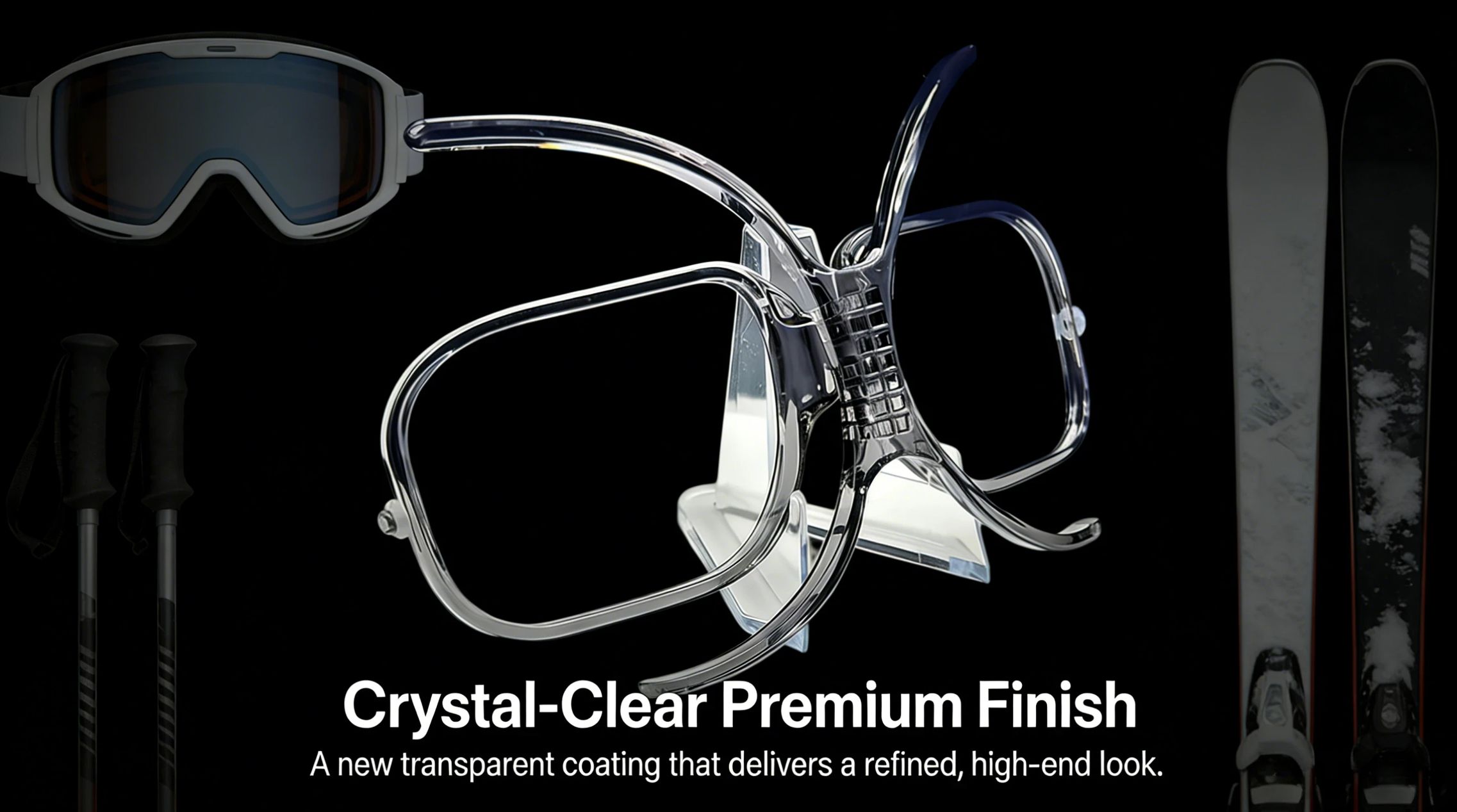
If all traditional solutions have fatal flaws, is there an option that delivers both safety and clear, comfortable vision? The answer is the newly redesigned ApexSpecs Ski Goggles Insert Pro.
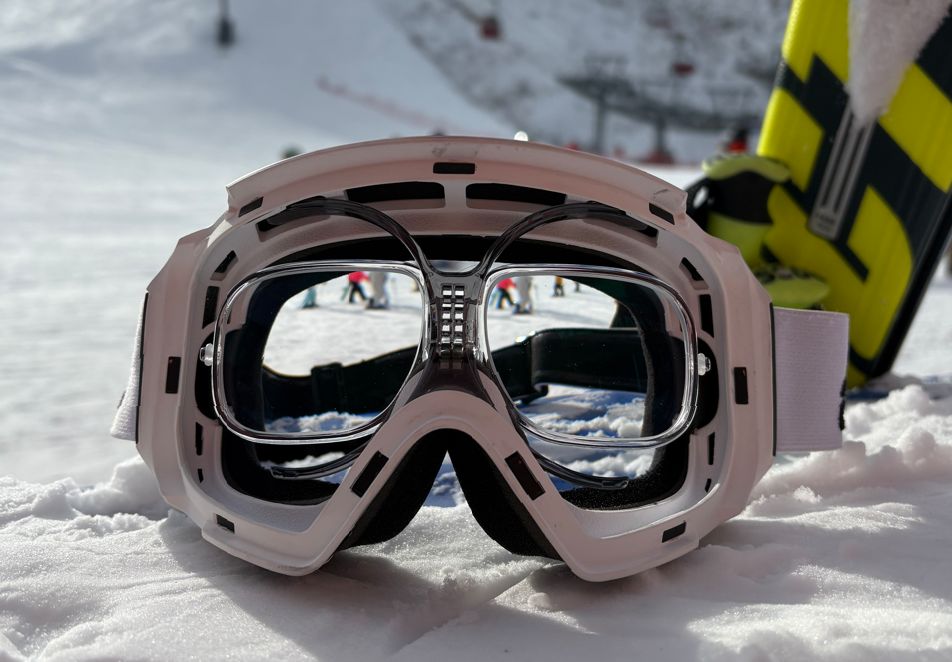
ApexSpecs Pro was engineered from the ground up to fix every pain point of traditional inserts. It’s made from premium high-strength TR90 material, which maintains excellent flexibility even in temperatures as low as -30°F (-34°C), unlike cheap plastic that becomes brittle and cracks. Its ergonomic frame has been precision-tested to fit over 50+ top-brand ski goggles worldwide, sitting perfectly inside the goggle contour and staying firmly in place—no more shifting or falling out.
In terms of comfort, ApexSpecs Pro feels just like wearing regular glasses, with no awkward pressure from your helmet or goggles, even after a full day of skiing. Optically, its frame is calculated with precision to match the design of modern wide-field goggles, delivering an expansive distortion-free view and completely eliminating fisheye effect and edge distortion. It also supports custom prescription lenses tailored to your exact myopia, astigmatism, and pupillary distance, giving you crystal-clear vision on every run.
High myopia doesn’t have to be a barrier to skiing, but safety always comes first. Understand your myopia type, avoid the pitfalls of traditional solutions, and choose a modern, professionally designed ski goggle insert to enjoy the endless magic of skiing on the snow.
FAQ
Q1: Can I really not ski if I have myopia over 600 degrees?
It’s not an absolute no, but you must get a professional eye exam first. **Axial high myopia** carries significantly higher skiing risks due to a thinner retina; **curvature high myopia** has risks similar to normal vision. Regardless of type, always get your axial length, corneal curvature, and retina checked and obtain your doctor’s approval before skiing.
Q2: Why aren’t contact lenses recommended for skiing?
Contact lenses have three major risks: First, cold, dry resort air worsens dry eye and causes blurry vision. Second, if a lens dislodges during high-speed skiing, it’s impossible to find, leading to sudden blindness and potential accidents. Third, they’re expensive for regular use, and handling them outdoors is inconvenient and increases the risk of eye infections from dust.
Q3: How dangerous is wearing regular glasses under ski goggles?
Extremely dangerous. Regular glasses have no impact resistance certification for sports—they can shatter on impact, and fragments may cause permanent eye damage. They also create uncomfortable pressure from three points (glasses, goggles, helmet) leading to pain, and block peripheral vision, creating major safety hazards when skiing backward or turning.
Q4: Why do so many people say ski goggle inserts don’t work? How is ApexSpecs Pro different?
Nearly all ski goggle inserts on the market use outdated designs that don’t fit modern wide-field goggles, leading to poor fit and instability. ApexSpecs Ski Goggles Insert Pro is precision-engineered to fit 50+ top-brand goggles, uses TR90 material that stays flexible at -30°F, and stays firmly in place—solving every problem with traditional inserts.
Q5: Can ApexSpecs Pro be made for high prescriptions and astigmatism?
Yes. We support custom lenses for 0-1200 degrees of myopia and 0-600 degrees of astigmatism, all manufactured to your exact pupillary distance and axis for sharp, accurate vision. For very high prescriptions, we also offer 1.67 high-index lenses to reduce weight and improve comfort.
Q6: Will the ski goggle insert fog up?
ApexSpecs Pro features a specially designed vented frame that doesn’t block your goggles’ native ventilation system, so it won’t interfere with your goggles’ built-in anti-fog performance. We also offer an optional professional anti-fog coating that you can add during online customization for double anti-fog protection.
Q7: What information do I need to provide to order a custom ApexSpecs Ski Goggles Insert Pro?
You’ll need to provide: 1. Your eyeglass prescription (including myopia power, astigmatism power, axis, and pupillary distance); 2. The brand and exact model of your ski goggles. Our inserts fit most ski goggles on the market. If you’re unsure about compatibility, send photos and your goggle model to our customer service, and we’ll confirm for you.